Loading...
Serving Elk Grove, CA and surrounding areas. (279) 249-0140
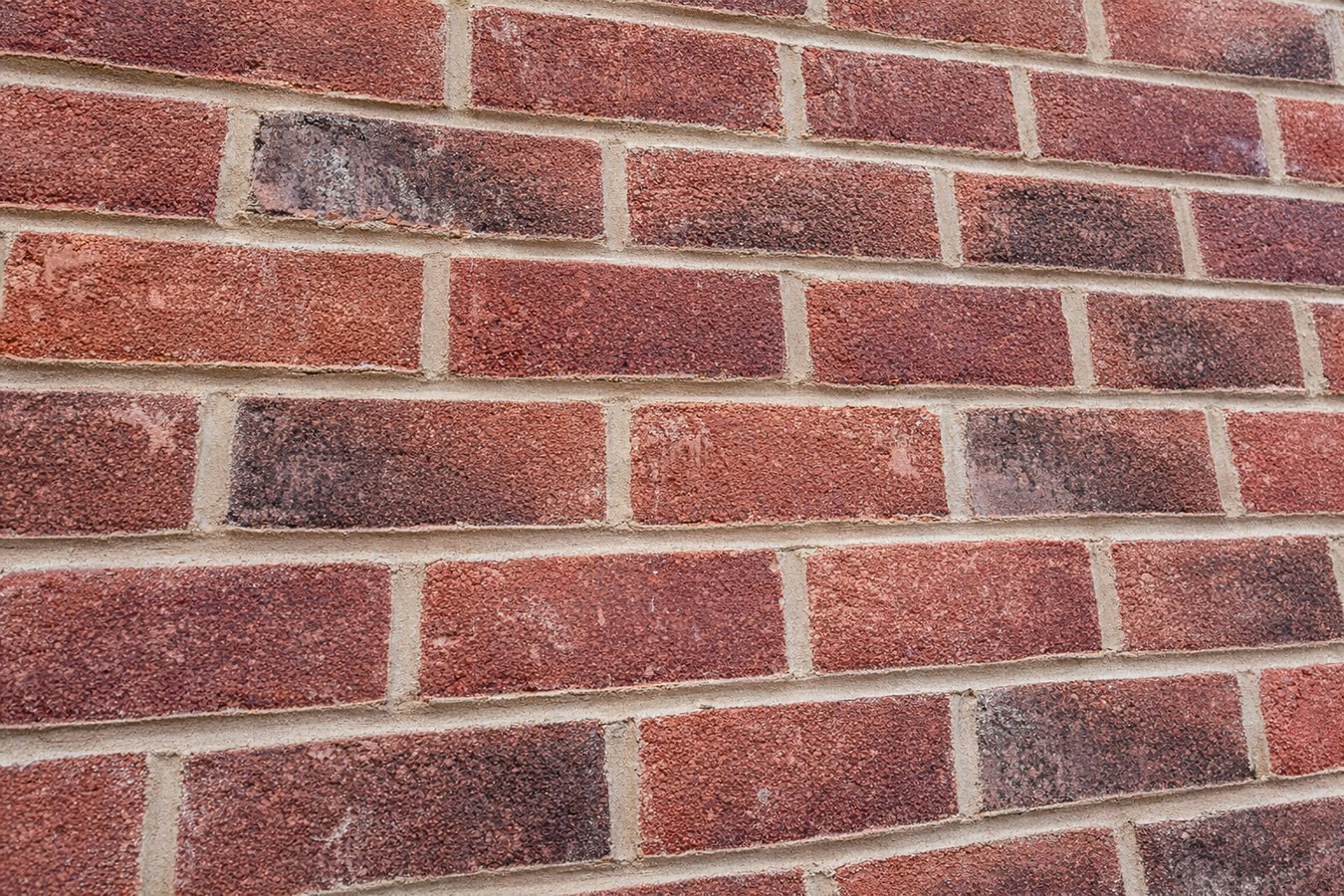
Open or crumbling mortar joints are how water gets behind your bricks. We repoint chimneys, walls, and garden features in Elk Grove with color-matched mortar that fills joints correctly - so your brickwork stays sealed through rain season and beyond.
Brick pointing in Elk Grove is the process of removing deteriorated mortar from between bricks to a depth of about three-quarters of an inch, then packing in fresh, color-matched mortar by hand - most chimney and garden wall jobs are completed in one to two days and do not require a permit.
Mortar is softer than brick by design - it absorbs movement and stress so the bricks do not crack. That same softness means it weathers faster, typically needing attention after 20 to 30 years while the bricks themselves can last a century or more. In Elk Grove, the combination of concentrated winter rainfall and hot, dry summers accelerates that wear cycle, particularly on chimneys and north-facing walls that see the most weather exposure. Catching open or crumbling joints before rain season starts is far less expensive than dealing with water damage inside the wall.
Homeowners who are already having mortar work done often schedule foundation repair at the same time if they have noticed settling or cracking near the base of the home - both issues can share a common cause in clay soil movement, and addressing them together avoids a second site mobilization later.
Run your finger along the mortar lines between your bricks. If the material crumbles away easily, feels soft, or you can see daylight through gaps, the mortar has broken down and water is already getting in - or will be soon. This is the most direct sign that pointing work is needed.
That white powdery residue on brick is called efflorescence - water moving through the masonry and carrying minerals to the surface. In Elk Grove, where winter rains can be heavy and concentrated, this staining often appears on chimneys and north-facing walls after the wet season. It is a warning sign, not just a cosmetic problem.
If you have patched mortar joints before and the cracks return in the same location every year, Elk Grove's expansive clay soils are likely causing the structure to move slightly with the seasons. This pattern is worth mentioning to your mason - it affects which mortar type is best suited for the repair.
Chimneys take the most weather exposure of any brick structure on your home. If the mortar at the top looks darker than the rest, feels spongy when pressed, or has visible gaps, water is already working its way in. Left unaddressed heading into the rainy season, this can lead to interior water damage well beyond just the masonry itself.
We handle brick pointing and repointing on chimneys, exterior walls, retaining walls, garden features, and decorative brick accents throughout Elk Grove. The process is the same regardless of structure type: grind or chisel the old mortar out to proper depth, clean the joints, pack in new mortar by hand, and tool the joints to match the original profile. For homeowners whose brick issues extend beyond the mortar - loose bricks, surface spalling, or damaged sections - we also cover full masonry restoration work so a single project can address the whole wall rather than just the joints.
Mortar color matching is part of every job we do. Fresh mortar always looks lighter than cured mortar, and we account for that shift when selecting the mix - checking the existing joints in person rather than guessing from a photo. We also match mortar strength to your brick type. Using mortar that is too hard can crack the bricks over time because the joint does not flex the way it should, and that is a more expensive problem than the one you started with. The Brick Industry Association recommends matching mortar strength to the existing brick for exactly this reason.
Best for homeowners whose chimney mortar is showing gaps, soft spots, or staining - especially those heading into a wet season and wanting to use their fireplace without worry.
Suits homeowners with a brick garden wall, retaining wall, or exterior accent that has visible joint deterioration or repeating crack patterns from seasonal soil movement.
Right for homes with brick entry columns, raised planters, mailbox pillars, or other accents where mortar wear has become visible and affects curb appeal.
Elk Grove's rainy season runs from November through March, and the Sacramento region averages around 19 inches of rain per year - most of it falling in a concentrated window. Any open or crumbling mortar joint heading into that window is a path for water to get behind the bricks. In Elk Grove, the clay-heavy soils compound the problem: water absorbed by a brick structure in winter causes the soil around the base to swell, putting stress on the wall and widening any existing cracks. Fall - after summer heat has eased but before the first rains - is the best time to get pointing work done. It gives the fresh mortar time to cure fully before any moisture hits it. Summer work is possible, but Elk Grove temperatures regularly exceed 100 degrees, and mortar applied in direct afternoon sun can dry out before it bonds, leading to joints that fail within a season. Homeowners in Elk Grove who schedule in fall tend to get the most durable results.
Most homes in Elk Grove were built between 1990 and 2010, which means the brick work on chimneys, retaining walls, and decorative features is now old enough that mortar wear is becoming a real maintenance item. The newer housing stock here means brick pointing most often involves chimneys, garden walls, and accents rather than full exterior facades - which keeps most jobs on the smaller and more affordable end of the cost range. Homeowners in Rancho Cordova face similar conditions - similar age housing, similar clay soil, similar rain exposure - and the same seasonal timing applies when planning repointing work.
We get back to you within one business day. We will ask what type of structure it is, roughly how large the affected area is, and whether you have noticed any water damage inside. A few photos help us understand the scope before we visit in person.
We walk the area with you, check how deep the deterioration goes, look at whether any bricks are loose, and note the original mortar color and texture. You receive a written estimate that details what will be done and what materials will be used - not a lump sum with no explanation.
Clear the area around the work zone before the crew arrives - move patio furniture, planters, or anything leaning against the wall. The crew grinds out old mortar, cleans the joints, and packs in fresh mortar by hand. You will hear grinding and tapping - that is normal. Depending on the size of the job, this takes one to three days.
Once the work is done, we walk you through what was completed and point out anything worth monitoring. Fresh mortar needs to stay dry for 24 to 48 hours - we check the forecast before scheduling and will flag any rain risk. Full strength takes about a month, but the joints look and feel solid well before that.
Free on-site assessment. Written estimate with no surprises. Jobs typically completed in one to two days.
Using mortar that is too hard for your brick type can crack the bricks over time. We select mortar strength and flexibility based on the specific brick and on Elk Grove's clay soil movement patterns - so repairs hold through seasonal shifts instead of cracking back open in the same spots.
Mismatched mortar color is one of the most common complaints after a repointing job. We check your existing joints in person, account for the fact that fresh mortar always dries lighter, and select the mix before we start - so the finished repair blends in rather than advertising itself across the wall.
Summer heat above 100 degrees and winter rain both create conditions where fresh mortar can fail if the job is not scheduled and managed correctly. We time work for the cooler parts of the day in summer and confirm the forecast before starting any job where rain is possible within the first 48 hours.
California requires any contractor performing masonry work over $500 to hold a valid license from the California Contractors State License Board. We carry full licensing and insurance, and you can verify our standing on the CSLB website before you commit to anything.
Brick pointing is one of those jobs where the details - mortar depth, mix selection, color matching, weather timing - determine whether the repair lasts 25 years or fails within two. We apply all of them to every project we take on in Elk Grove.
Address settling, cracking, or shifting at the base of your home - often the root cause behind repeating mortar joint failures on nearby walls.
Learn MoreWhen a brick structure needs more than new mortar - loose bricks, damaged sections, or full wall panels - restoration covers the complete scope.
Learn MoreFall slots fill fast - contact us now to get on the schedule before rain season starts.